Contact Details
- Email: jin@ochitest.com
- Phone: +86 18921375901
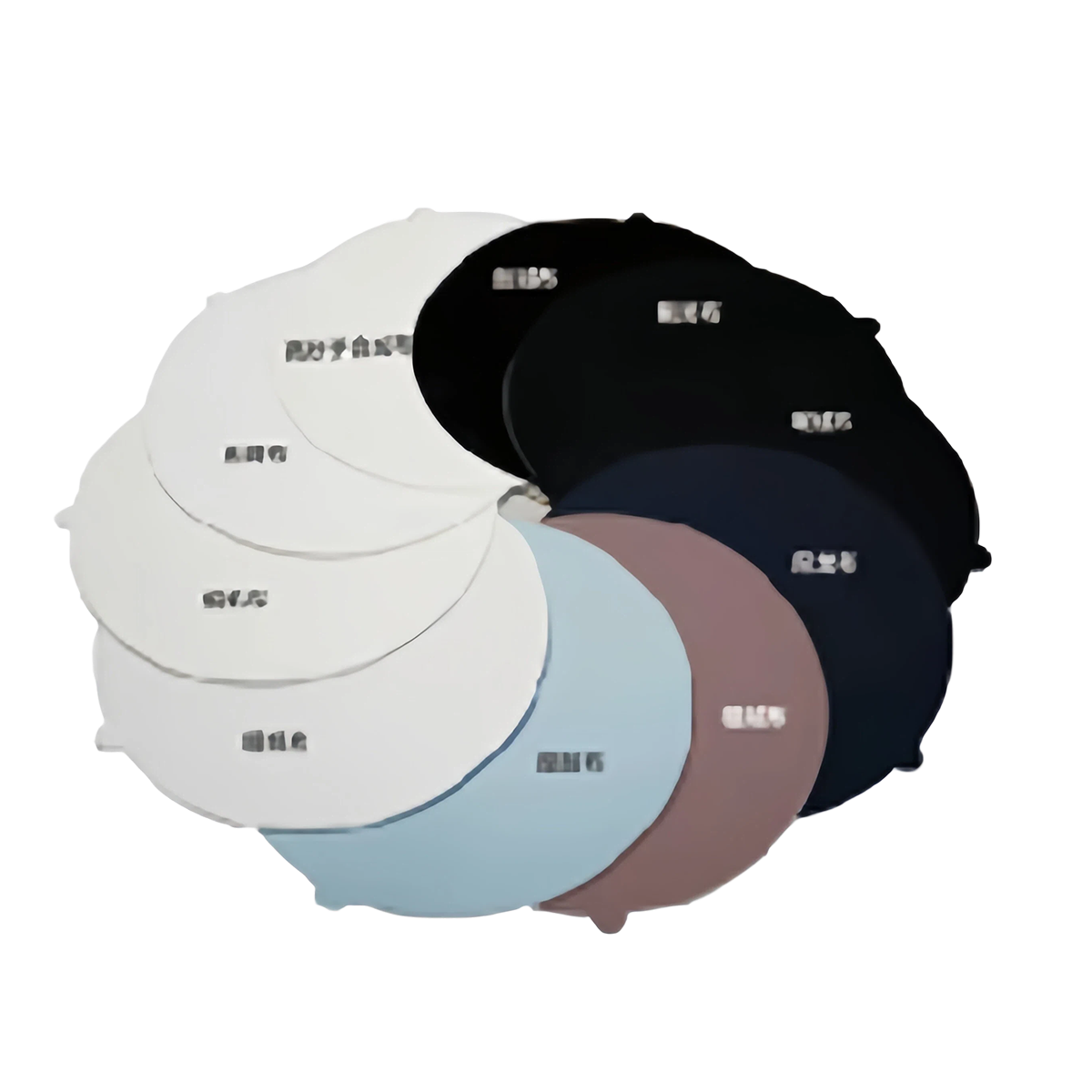
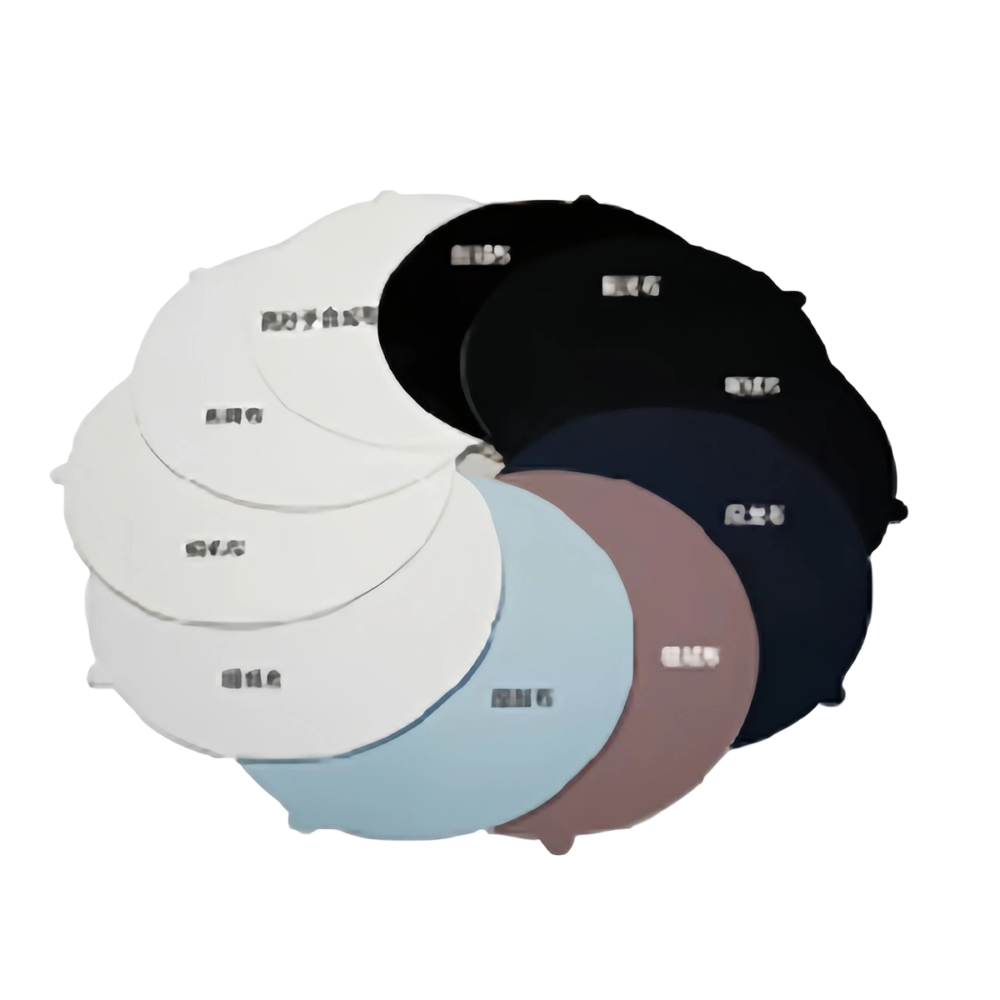
Metallographic Polishing Cloths
Professional polishing consumable for metallographic sample preparation, available in multiple fabric types for coarse polishing, fine polishing and mirror finishing of various metal samples. Good wear resistance, uniform texture, strong abrasive retention, compatible with all common polishing suspensions and sprays.
Metallographic Polishing Cloth is an essential core consumable for metallographic sample grinding and polishing, specially designed to match with diamond polishing suspension, silica polishing fluid, alumina polishing agent and other polishing abrasives. We provide a complete range of polishing cloths with different materials, densities and textures, covering coarse polishing, medium fine polishing and final mirror finishing stages of the whole sample preparation process. Each type of polishing cloth features uniform weaving, stable thickness, excellent wear resistance and strong abrasive retention capacity, avoiding uneven polishing, scratch generation and premature wear during use. It is suitable for all kinds of ferrous metals, non-ferrous metals, alloys, cemented carbide and special material samples, fully compatible with manual polishing operations and automatic metallographic polishing machines of various brands. This series of polishing cloths can effectively improve polishing efficiency, optimize sample surface finish, and ensure clear and accurate microstructure observation under metallographic microscope, making it the first choice for daily use in metallographic laboratories, quality inspection departments and material research institutions.
2. Core Advantages
-
Complete Material Specifications: Provide flannel, synthetic fiber, silk, nylon and other material options, targeted for different polishing stages and material types, meeting all polishing needs from rough leveling to mirror finish.
-
Uniform and Durable Texture: Precision weaving process ensures consistent cloth density and thickness, no lint falling, no deformation after long-term use, strong wear resistance, and extended service life compared with ordinary polishing cloths.
-
Excellent Abrasive Retention: Moderate surface roughness and good elasticity, able to firmly adsorb polishing abrasives, avoid abrasive agglomeration or loss, ensure stable and uniform polishing force and consistent sample finish.
-
Wide Compatibility: Perfectly compatible with all water-based and oil-based polishing suspensions, sprays and lubricants, no chemical reaction, suitable for polishing various metals, alloys, cemented carbide and non-metallic materials.
-
Easy to Use and Replace: Available in standard disc sizes and roll types, easy to cut and paste on polishing machine trays, simple installation and replacement steps, suitable for both manual and automatic polishing operations.
-
Anti-Clogging Performance: Optimized fabric structure reduces the accumulation of sample debris and residual abrasives, not easy to harden or clog, ensuring stable polishing effect in continuous batch sample preparation.
3. Common Material & Application Matching
|
Polishing Cloth Type
|
Main Material
|
Suitable Polishing Stage
|
Applicable Sample Materials
|
|---|---|---|---|
|
Flannel Polishing Cloth
|
High-density cotton flannel
|
Fine polishing & Mirror finishing
|
Steel, stainless steel, alloy, copper, aluminum (general metals)
|
|
Synthetic Fiber Polishing Cloth
|
High-strength synthetic fiber
|
Medium polishing & Fine polishing
|
Cemented carbide, hard alloys, precision molds
|
|
Silk Polishing Cloth
|
Pure silk/synthetic silk
|
Ultra-fine mirror finishing
|
Soft metals, precious metals, thin samples
|
|
Nylon Polishing Cloth
|
Wear-resistant nylon
|
Coarse polishing & Medium polishing
|
Cast iron, high-hardness alloys, rough sample leveling
|
4. Technical Parameters
|
Item
|
Specification
|
|---|---|
|
Product Name
|
Metallographic Polishing Cloth
|
|
Standard Disc Sizes
|
Φ200mm, Φ220mm, Φ230mm, Φ250mm, Φ300mm (customizable)
|
|
Roll Size
|
Width 250mm/300mm, length 5m/10m (customizable)
|
|
Texture Feature
|
Uniform, no lint, moderate elasticity, wear-resistant
|
|
Backing Type
|
Plain backing / Self-adhesive backing (optional)
|
|
Compatibility
|
All metallographic polishing abrasives & polishing machines
|
|
Application
|
Metallographic sample polishing, precision parts surface finishing
|
5. Standard Configuration
|
No.
|
Content
|
|---|---|
|
1
|
Metallographic Polishing Cloth (disc type: 1 piece/pack; roll type: 1 roll/pack)
|
|
2
|
Clear label marked with material, size, type and application notes
|
|
3
|
Moisture-proof sealed packaging to keep cloth dry and clean
|
6. Notes & Usage Tips
-
Select the corresponding polishing cloth type according to the sample material and polishing stage; do not use coarse polishing cloth for final mirror finishing to avoid deep scratches on the sample surface.
-
For self-adhesive polishing cloth, clean and dry the polishing machine tray thoroughly before pasting to ensure firm adhesion and prevent slipping or shifting during polishing.
-
Before use, check the polishing cloth surface for impurities, debris or hard particles; clean or replace the cloth in time if it is worn, hardened or clogged with excessive residues.
-
When switching different polishing abrasives or particle sizes, clean the used polishing cloth completely or replace it with a new one to avoid cross-contamination and uneven polishing caused by residual abrasives.
-
After each use, rinse the polishing cloth with clean water or anhydrous ethanol to remove residual abrasives and sample debris, then air dry naturally in a ventilated place; do not expose to direct sunlight or dry at high temperature to prevent hardening and deformation.
-
Store unused polishing cloths in a dry, cool and dust-free environment, keep sealed packaging to avoid moisture, dust contamination and lint damage, ensuring product performance before use.
-
Replace the polishing cloth regularly according to usage frequency and wear degree; worn or damaged cloths will reduce polishing efficiency and cause surface defects, affecting the accuracy of metallographic observation.