Contact Details
- Email: jin@ochitest.com
- Phone: +86 18921375901
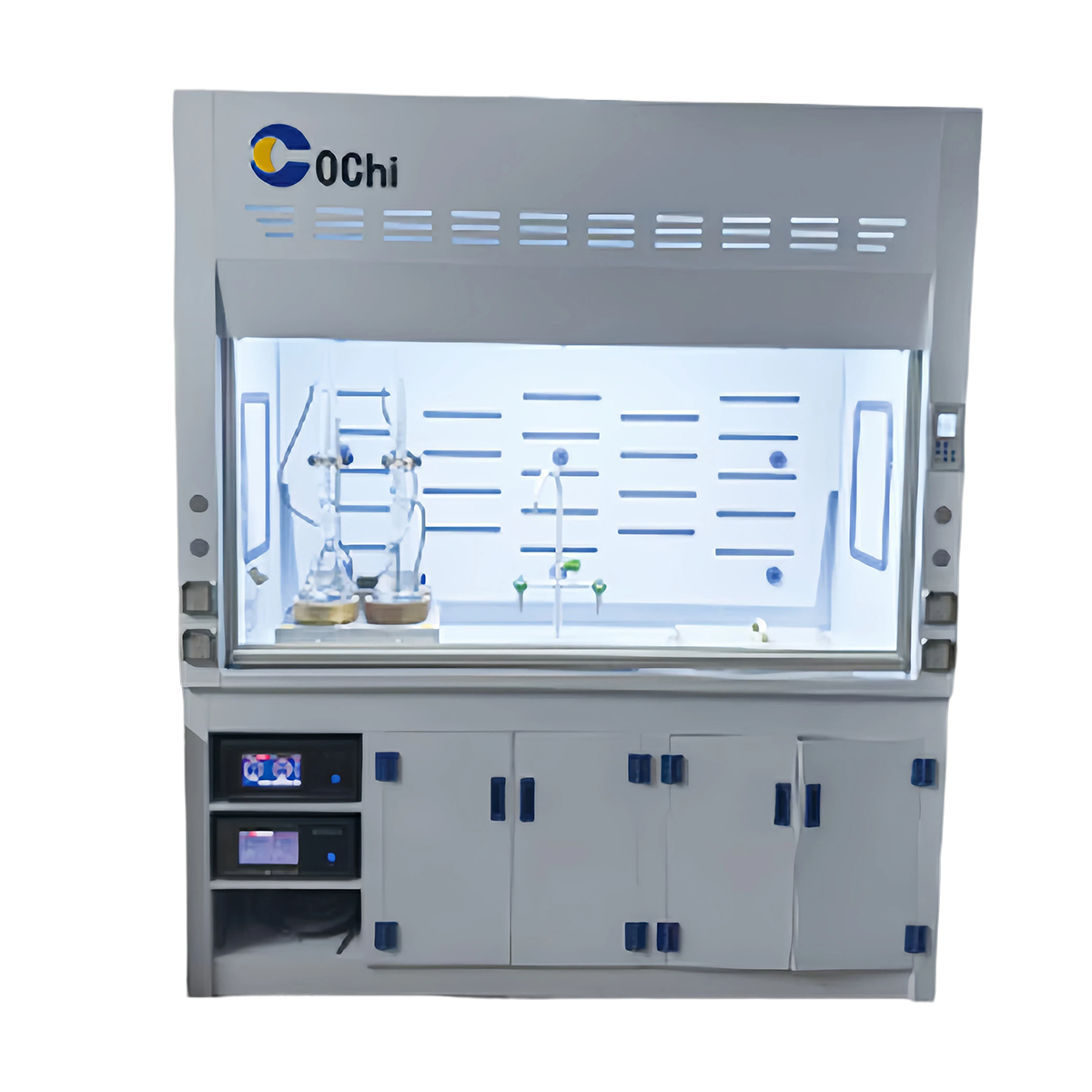
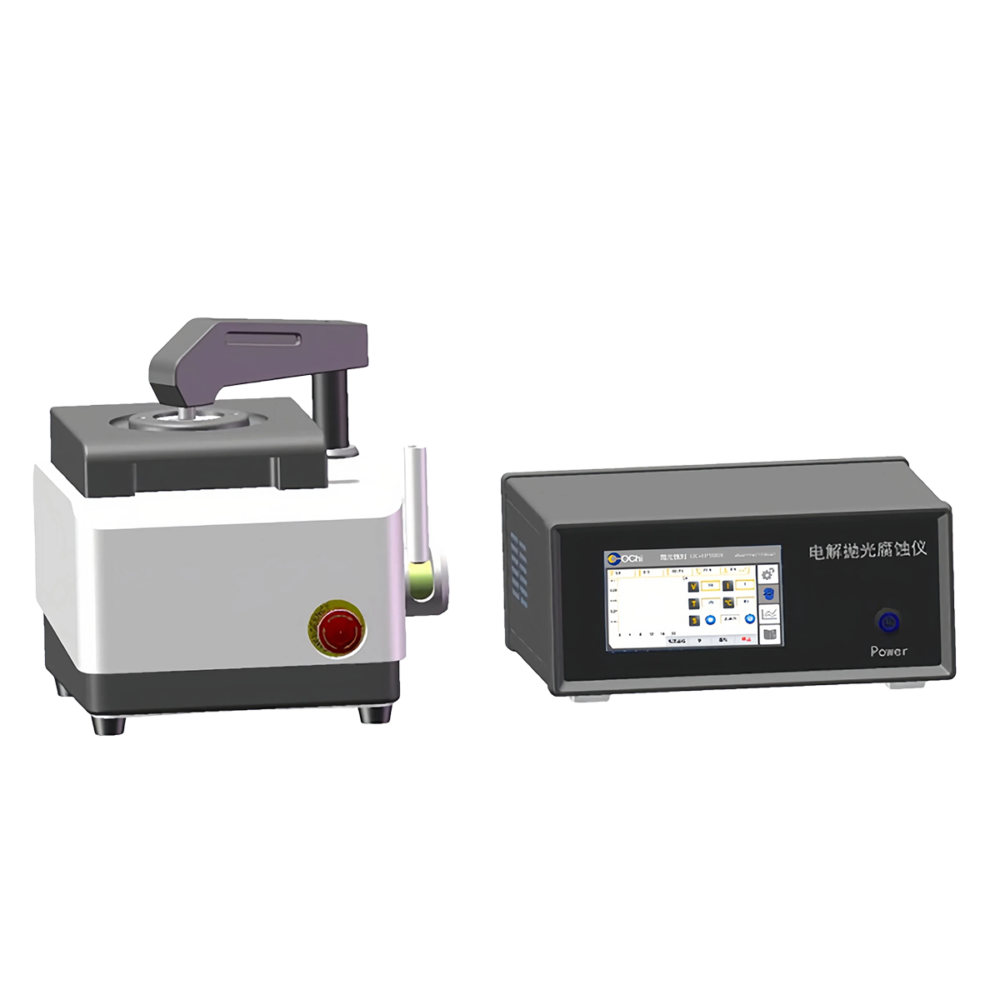
Intergranular Corrosion Tester OCI-2S
Compact bench-top precision testing instrument with dual independent test stations, specially designed for intergranular corrosion sensitivity evaluation of stainless steel, alloy steel, nickel-based alloy, aluminum alloy and other corrosion-resistant metal materials. Fully compliant with ASTM A262, GB/T 4334 and ISO standard test methods, featuring high-precision water bath heating, stable constant temperature control and anti-corrosion integrated structure, ideal for laboratory routine testing, batch sample comparison and material quality verification.
Intergranular Corrosion Tester OCT-2S is a professional laboratory instrument dedicated to standardized intergranular corrosion testing, developed to meet the daily testing demands of material research centers, quality inspection laboratories, metallographic analysis rooms and precision manufacturing industries. As a dual-station bench-top model, it features an optimized structure for small and medium-batch sample testing, with two independent parallel test stations that can run identical or different test parameters simultaneously. This design not only greatly improves testing efficiency but also ensures the accuracy of comparative analysis.
The instrument adopts a closed water bath heating system to guarantee uniform and stable temperature distribution across the entire test area, completely eliminating temperature deviations that may interfere with test results. All components in contact with reagents, including the inner cavity and sample holders, are made of high-grade anti-corrosion materials (PTFE lining + anti-corrosion stainless steel), which can resist long-term erosion of strong acid, strong alkali and other corrosive test solutions without rusting or deformation. Paired with an intelligent digital control system, it supports precise temperature setting, timing and constant temperature operation, fully complying with mainstream international and domestic standard test procedures (such as sulfuric acid-copper sulfate method, nitric acid method, oxalic acid etching method, etc.). It provides highly repeatable and reliable test data for material performance evaluation, process optimization and quality control.
Core Advantages
-
Dual Independent Test Stations: Unique dual-station parallel design allows simultaneous testing of two groups of samples, with independent temperature and timing control for each station and no mutual interference. It supports synchronous comparative testing, effectively improving laboratory work efficiency.
-
High-Precision Temperature Control: Equipped with an advanced digital temperature controller, the temperature control accuracy reaches ±0.5℃ with minimal temperature fluctuation. It maintains a stable constant temperature throughout the entire test cycle, ensuring the consistency and comparability of test results required by standards.
-
Uniform Water Bath Heating: Closed constant temperature water bath heating mode enables even heat transfer without local overheating. It avoids thermal damage to samples and ensures consistent corrosion conditions for every sample placed in the test slots.
-
Full Anti-Corrosion Structure: Core components in contact with corrosive reagents are made of PTFE anti-corrosion lining and high-quality anti-corrosion stainless steel, featuring excellent acid and alkali resistance. It is durable and anti-aging, prolonging the service life of the instrument in harsh laboratory corrosive environments.
-
Strict Standard Compliance: Fully meets the requirements of mainstream intergranular corrosion test standards, including ASTM A262, GB/T 4334, JIS G 0575, ISO 3651, suitable for formal laboratory testing, product certification and issuance of quality inspection reports.
-
Compact Bench-Top Design: The compact body saves space and can be easily placed on a standard laboratory workbench. The operation panel is simple and easy to understand, suitable for both professional inspectors and routine test operators.
-
Comprehensive Safety Protection: Built-in over-temperature automatic power-off, dry-boiling prevention, leakage protection and abnormal alarm functions ensure operational safety in corrosive solution environments, protecting both operators and the instrument.
-
Wide Material Compatibility: Suitable for intergranular corrosion sensitivity testing of various corrosion-resistant alloys, covering austenitic stainless steel, ferritic stainless steel, duplex stainless steel, nickel-based alloy, aluminum alloy, copper alloy and other materials.
Technical Parameters (Model OCT-2S)
|
Item
|
Specification
|
|---|---|
|
Model
|
OCT-2S
|
|
Number of Test Stations
|
2 Independent Stations (Dual Test Slots)
|
|
Applicable Standards
|
ASTM A262, GB/T 4334, JIS G 0575, ISO 3651
|
|
Temperature Control Range
|
Room Temperature ~ 100℃ (Adjustable Constant Temperature)
|
|
Temperature Control Accuracy
|
±0.5℃, Temperature Fluctuation ≤±0.2℃
|
|
Timing Range
|
0 ~ 999.9 Hours (Intelligent Automatic Timing)
|
|
Heating Mode
|
Constant Temperature Water Bath Heating
|
|
Anti-Corrosion Material
|
PTFE Lining, Anti-Corrosion Stainless Steel Inner Cavity
|
|
Rated Voltage
|
AC 220V 50Hz
|
|
Safety Protection
|
Over-Temperature Protection, Dry-Boiling Protection, Leakage Protection
|
|
Installation Type
|
Compact Bench-Top Type
|
Application Scenarios
-
Routine Laboratory Intergranular Corrosion Testing: Daily standardized testing of stainless steel and alloy materials in metallographic and material analysis laboratories.
-
Dual-Group Sample Comparative Test: Simultaneous parallel testing of two groups of samples with identical or different parameters, suitable for material formula comparison and process optimization analysis.
-
Material Quality Inspection & Certification: Incoming material inspection, finished product quality verification and third-party testing certification of corrosion-resistant metal products.
-
Small-Batch Sample Testing: Suitable for small-batch and single-piece testing of precision parts, welded components and heat-treated alloy workpieces.
-
Scientific Research & Teaching Experiments: Material performance research and metallographic experiment teaching in universities and research institutions.
Standard Configuration
|
No.
|
Configuration Details
|
|---|---|
|
1
|
OCT-2S Main Unit (Dual-Station Anti-Corrosion Body)
|
|
2
|
Digital Display Temperature & Time Control Panel
|
|
3
|
2 Sets of PTFE Anti-Corrosion Sample Holders & Test Slots
|
|
4
|
Operation Manual (Including Standard Test Methods & Parameter Settings)
|
|
5
|
Power Cord & Safety Accessory Kit
|
Notes & Usage Tips
-
Strictly select test reagents and set temperature and time parameters in accordance with the corresponding standard test methods (ASTM A262, GB/T 4334, etc.), and standardize the operation process to ensure the accuracy and repeatability of test results.
-
Place the OCT-2S Intergranular Corrosion Tester on a stable, flat and well-ventilated laboratory bench, keep away from flammable, explosive and corrosive volatile substances, and ensure sufficient space around the instrument for heat dissipation and daily operation.
-
Before starting the test, check the water level of the water bath, add distilled water to the specified scale, and confirm the integrity of the PTFE lining, sample holders and control system. Do not start the instrument with abnormal components to avoid equipment damage and test errors.
-
Use special anti-corrosion containers to hold test solutions, place samples neatly in the two independent test slots, ensure each sample is completely immersed in the reagent without overlapping, and operate the two stations separately to prevent cross-contamination.
-
Set the target temperature and test time accurately on the control panel, and start the heating and timing function after confirmation. Do not open the water bath cover or adjust parameters randomly during the constant temperature test to avoid temperature fluctuation and test failure.
-
Be sure to wear anti-corrosion gloves, goggles and other protective equipment during operation, and strictly abide by laboratory safety regulations. Avoid direct contact of corrosive reagents with skin and clothes, prevent reagent splashing, and dispose of waste liquid in accordance with laboratory hazardous waste treatment standards.
-
After the test is completed, stop heating and timing first, wait for the water bath to cool naturally to room temperature, then take out the samples, and clean the test slots, sample holders and inner cavity with distilled water or neutral cleaning agent to remove residual reagent stains.
-
Turn off the power and drain the water from the water bath after each use. Store the instrument in a dry, ventilated environment free of corrosive gases, regularly calibrate the temperature control accuracy, and check the integrity of the anti-corrosion layer to maintain long-term stable performance of the equipment.
-
Do not mix different test reagents randomly, and do not add impurities into the water bath cavity. The two independent stations can be operated separately; avoid excessive external force impact on the instrument body and control panel during use.