Contact Details
- Email: jin@ochitest.com
- Phone: +86 18921375901
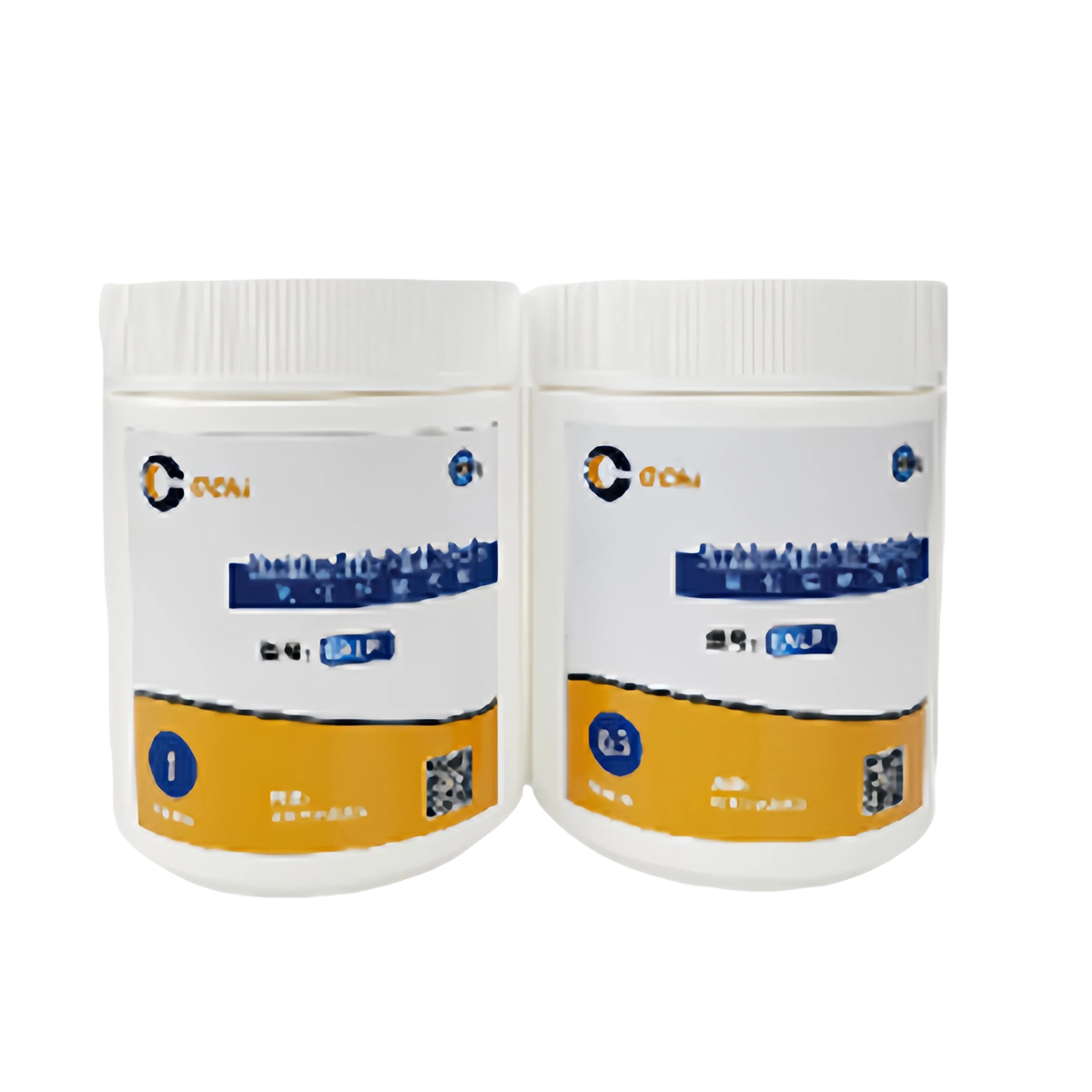
Polishing Powder
High-purity crystalline polishing powder for metallographic sample final finishing and mirror polishing, mainly including alumina (Al₂O₃) and chromium oxide (Cr₂O₃) types. Uniform particle size, stable polishing effect, low residue, suitable for conventional metals, alloys and hard materials to obtain scratch-free mirror surface.
Metallographic Polishing Powder is a classic economical polishing consumable specially developed for metallographic sample preparation, used for medium fine polishing and final mirror finishing after coarse grinding and pre-polishing. It is divided into two mainstream high-purity types: alpha-alumina polishing powder and chromium oxide polishing powder, both processed with precision grading technology to ensure consistent particle size, no coarse impurities and uniform texture. This powder can be mixed with distilled water, special lubricant or ethanol to prepare polishing suspension on site, with flexible concentration adjustment according to actual polishing needs.
Compared with ready-to-use polishing suspension, it features smaller storage space, lower transportation cost and longer shelf life, making it suitable for long-term standby use in metallographic laboratories, material testing centers and teaching institutions. It can effectively remove fine scratches, grinding marks and surface deformation layers left by previous processing, restore clear and complete metallographic microstructure, and is fully compatible with various polishing cloths and manual/automatic metallographic polishing machines, perfectly matching conventional metal sample polishing processes.
2. Core Advantages
-
High Purity & Uniform Particle Size: Adopts industrial high-purity raw materials with precision particle grading, no agglomeration or impurity particles, avoiding surface scratches caused by uneven particles during polishing and ensuring stable and consistent polishing effect.
-
Two Main Types for Flexible Selection: Alumina polishing powder features mild polishing force, suitable for daily mirror finishing of conventional ferrous and non-ferrous metals; chromium oxide polishing powder has stronger cutting force, specially for high-hardness alloys, stainless steel and cemented carbide with higher polishing requirements.
-
Flexible to Use: Can be mixed with water, special polishing lubricant or ethanol on site, concentration can be adjusted freely according to sample material and polishing progress, meeting diversified polishing needs.
-
Long Shelf Life & Cost-Effective: Solid powder form, no deterioration caused by liquid stratification or volatilization, sealed storage for a long time; small packaging volume, lower cost than ready-to-use liquid suspension, suitable for long-term and batch use.
-
Wide Compatibility: Works perfectly with all kinds of polishing cloths including flannel, synthetic fiber, silk and nylon, compatible with all standard manual and automatic metallographic polishing machines, no special equipment required.
-
Low Residue & Easy Cleaning: After polishing, the sample surface has less residual powder, no sticky attachment, can be quickly rinsed with clean water or ethanol, simplifying post-polishing cleaning work and avoiding residue affecting microstructure observation.
3. Technical Parameters
|
Item
|
Specification
|
|---|---|
|
Product Name
|
Metallographic Polishing Powder
|
|
Main Types
|
Alpha-Alumina (Al₂O₃) / Chromium Oxide (Cr₂O₃)
|
|
Particle Size Range
|
0.5μm, 1μm, 2.5μm, 5μm, 10μm (optional)
|
|
Purity
|
High purity ≥99.5%
|
|
Standard Packaging
|
50g, 100g, 250g, 500g sealed plastic bottle
|
|
Appearance
|
Alumina: White fine powder; Chromium Oxide: Green fine powder
|
|
Shelf Life
|
36 months (sealed and dry storage)
|
|
Mixing Medium
|
Distilled water, polishing lubricant, anhydrous ethanol
|
|
Application
|
Metallographic sample fine polishing, mirror finishing, microstructure observation preparation
|
4. Application Scenarios
-
Daily Metallographic Laboratory Use: Final mirror polishing of conventional metal samples, removing fine scratches and ensuring clear observation of grain size and inclusions under microscope.
-
Hard Material Polishing: Chromium oxide type is specially used for high-hardness stainless steel, alloy steel and cemented carbide samples, making up for the insufficient cutting force of ordinary polishing agents.
-
Long-Term Laboratory Standby: Suitable for laboratories with low daily polishing frequency, solid powder avoids waste caused by liquid suspension deterioration, saving consumable costs.
-
Teaching & Scientific Research: Used for material science teaching experiments and basic material research sample preparation, with simple operation and easy mastery for beginners.
-
On-Demand Suspension Preparation: Flexible preparation of polishing suspension with different concentrations according to special sample materials and polishing process requirements.
5. Standard Configuration
|
No.
|
Configuration Details
|
|---|---|
|
1
|
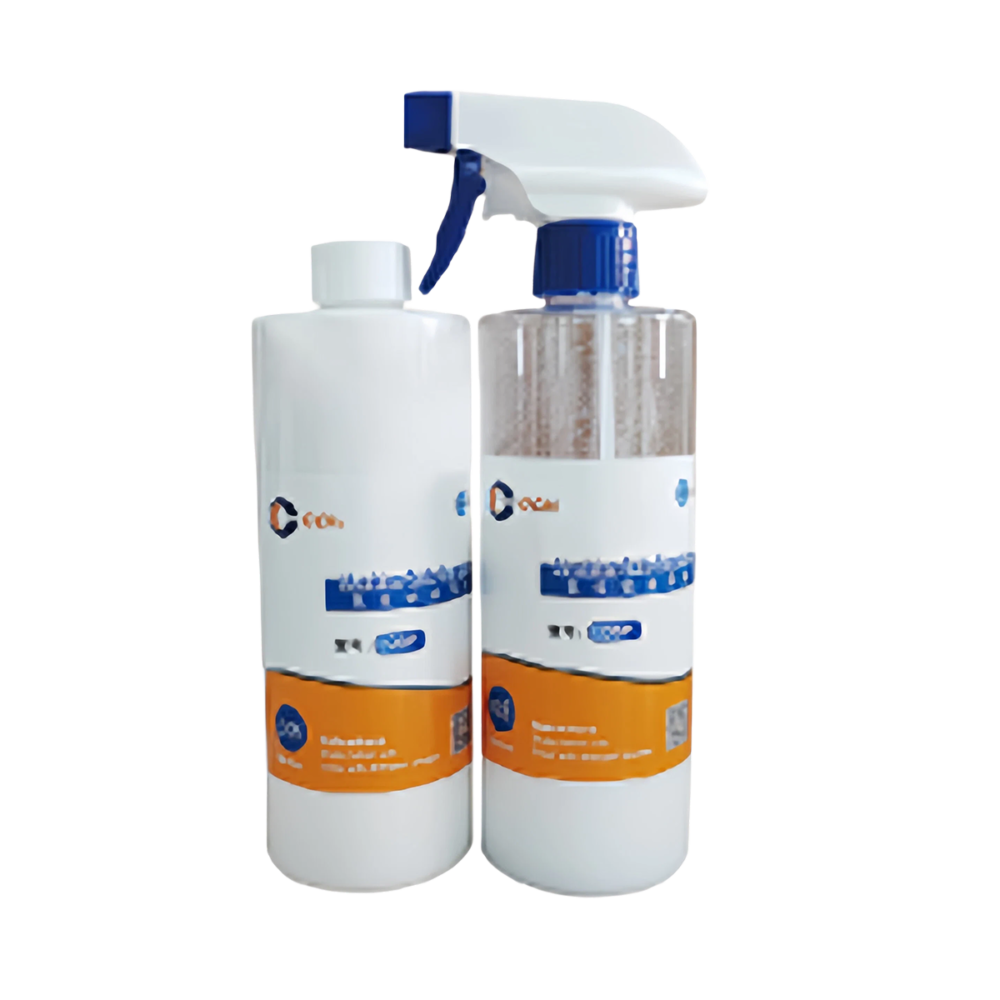
Metallographic Polishing Powder (sealed plastic bottle)
|
|
2
|
Clear label marked with type, particle size, net weight, batch number and shelf life
|
|
3
|
Sealed anti-leakage cap with moisture-proof design to prevent powder agglomeration
|
6. Notes & Usage Tips
-
Select the corresponding type and particle size according to sample material: alumina powder for conventional soft and medium-hard metals, chromium oxide powder for high-hardness alloys; fine particle size for mirror finishing, slightly coarser size for fine polishing.
-
Prepare a moderate amount of suspension each time before use, mix the powder with distilled water or special polishing lubricant in a ratio of 1:5 to 1:10, stir evenly until no agglomeration, avoid excessive concentration to prevent residue accumulation.
-
Seal the bottle immediately after taking the powder, and store it in a dry, cool and ventilated environment away from moisture and dust, otherwise the powder will agglomerate and affect particle uniformity and polishing effect.
-
Apply the prepared suspension evenly on the polishing cloth, control the dosage reasonably, and keep the polishing cloth in a slightly wet state during polishing; do not add dry powder directly to the polishing cloth to avoid uneven local polishing.